
Dancing
Origin of Ballroom Dances
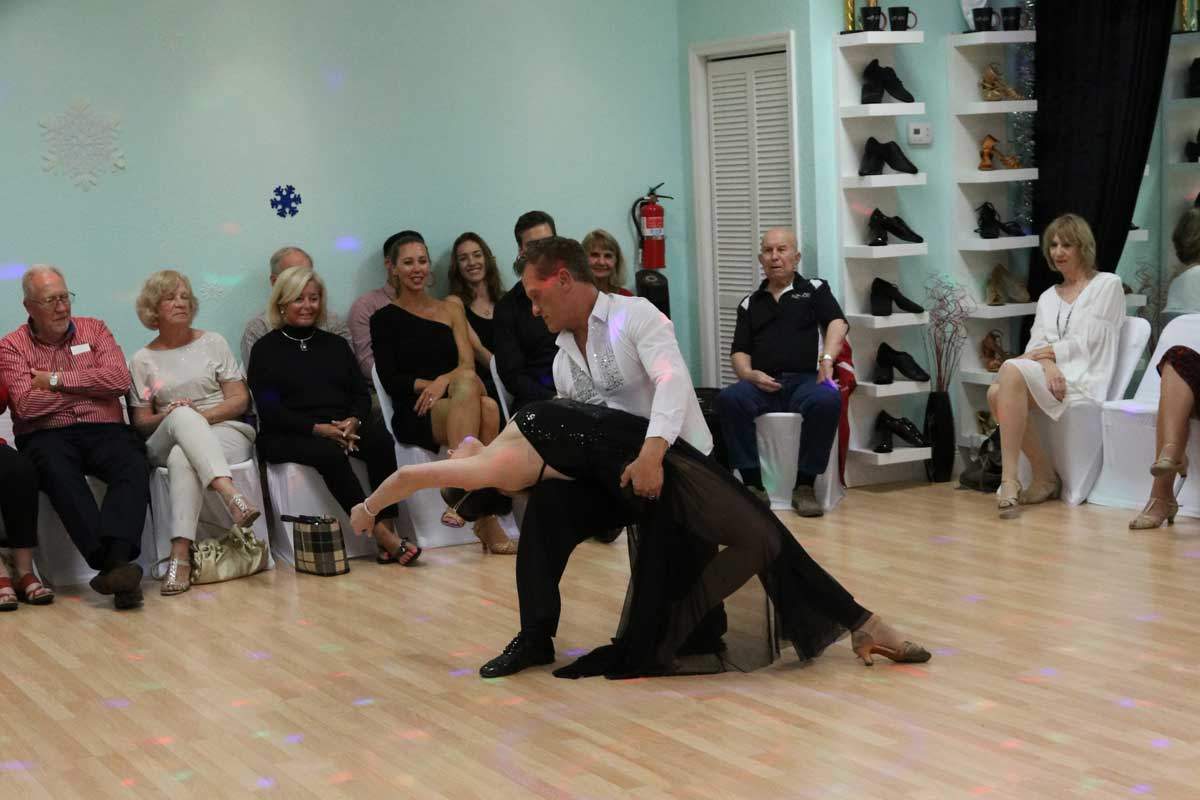
Ballroom dancing is a world of class, tradition, and passion, with a rich history both competitive and recreational. “Ball” comes from the Latin word ballare, meaning “to dance.” Modern ballroom dancing comprises the “International” and “American” styles, famous all over the world and performed in social gatherings and competitions alike.
The Origins
Ballroom dancing traces its origins to the early 20th century, when West End establishments were developing the art form. The world’s leading board for ballroom dance examinations, the Imperial Society of Teachers of Dancing (ISTD), was established in 1904. Notable figures shaped the form, including Josephine Bradley, the “First Lady” and world-class champion; G.K. Anderson, who founded the English style; Lady Humphries, who helped establish the Modern Ballroom Dance Faculty of the Imperial Society; and Alex Moore, who contributed to Technique of Ballroom Dancing.
Pre-18th Century
Most dances of this time were either court dances or country dances. Court dances involved little physical contact, were very proper in form, and featured elaborate routines with bows and curtsies. At the beginning of the 18th century, people began to add what is called the closed hold.
The Closed Hold
The moves in modern ballroom have been standardized, and a dancer passes several levels to be considered a master. Ballroom dances are intricate, with specific techniques, tempos, vocabularies, and rhythms that take time to learn. Although each style has its own aesthetics, they share a commonality: they’re performed by a pair of dancers in “closed hold,” with five points of contact between the partners.
The Waltz
The waltz came into existence in the 18th century and became the first dance where partners truly connected in a closed hold, a connection that was, at the time, considered scandalous. The name comes from a word meaning “to turn” or “to rotate.” The waltz follows a slow rhythm, danced to about 90 beats per minute. Despite its slow tempo, it can feature advanced figures and various turns. In competition, the waltz is the first dance in the standard category.
The Foxtrot
At the turn of the 20th century, syncopated ragtime music became wildly popular, and a smooth dance like the waltz just wouldn’t match. Many “trot” dances appeared. In 1914, the foxtrot was popularized by actor Harry Fox on the stage of the Ziegfeld Follies. His quick, jerky movements became a huge trend in New York; once the dance reached England, the movements were smoothed out into something more refined. In the years that followed, it split into the slow foxtrot (now simply “foxtrot”) and the fast foxtrot (now “quickstep”).
The Tango
Tango originated in the slums of Buenos Aires in the late 19th century, where Argentine gauchos and migrating communities mixed cultures and dances. Like the waltz, it was at first shunned as improper, but it grew enormously popular. It became a huge hit in the United States right before the First World War, championed by Vernon and Irene Castle. In 1920 the Imperial Society of Teachers of Dancing standardized the dance. Today there are two broad styles: American and International. The International style is preferred in competition, while the American style gives dancers more freedom for open moves.
The Viennese Waltz
The waltz began to appear in Vienna in 1787. As it grew popular, the music got faster and faster; Austrian composers increased the measures per minute, demanding greater technique and endurance. This faster, more intense version became known as the Viennese Waltz, featuring rotary moves that turn both clockwise and counter-clockwise with non-rotating change steps in between.
The Quickstep
Quickstep developed from the original foxtrot, with its kicks, fast speed, and energy. As the foxtrot slowed and smoothed, its faster predecessor evolved into the quickstep. The English continued to smooth it out, adding waltz-like elements while keeping the high-energy Charleston influences: runs, skips, and fast chassés. Quickstep is known for being light, quick, exciting, and fun to dance.
Rumba
Rumba is a romantic Latin dance with Afro-Cuban origins. The ballroom version comes from the slower, less eroticized style called Son. By the late 1920s, America’s appetite for Latin music was ignited, and the rumba grew through the 1930s and 1940s. In 1950 it was standardized as a ballroom dance. Today the rumba is known for its romantic feel and sensual Cuban motion (hip action).
Cha-Cha
Cha-cha evolved from an earlier Cuban mambo called Chassé Mambo. As the music slowed, dancers added a chassé to fill the extra time, and the dance is said to have gotten its name from the sound of women’s shoes shuffling across the floor. The United States met the dance craze in 1950. Today cha-cha is lively and fun, emphasizing rhythm through the body and hips.
East Coast Swing
East Coast Swing traces its roots to the original swing dance, the Lindy Hop, created in the late 1920s by African American youth in Harlem and danced to the big bands. By the mid-1930s it picked up names like Jitterbug and Swing. In the 1940s it was made easier and more relaxed and became a ballroom dance, eventually renamed East Coast Swing in the late 1970s. Today it’s fun and upbeat, with a cool bounce and rock step.
Bolero
Bolero, the “Cuban Dance of Love,” shares roots with the rumba. It evolved from Afro-Cuban and Spanish folk dances and arrived in the United States in the mid-1930s. Today bolero music is known for its slow, dreamy feeling, and the dance for its romantic, smooth, gliding movements, graceful turns, and dramatic arm styling, almost as if the waltz, rumba, and tango came together into one.
Mambo
Mambo developed from the Cuban dance Danzón, influenced by Cuban Haitians and American jazz. Perez Prado is credited with introducing it in a Havana nightclub in 1943, and around 1947 it arrived in New York and quickly became the new trend. Its popularity peaked around 1950 before the cha-cha grew out of it. Today the dance is recognizable from its strong Cuban motion and staccato movement.
Merengue
Merengue developed in the Dominican Republic in the early 1800s and is now considered its national dance. The early music featured a vocalist backed by an accordion, a metal scraper, and a double-headed tambora drum. The dance arrived in New York in the early 1940s and became a big part of the Latin dance scene. Today the merengue is known for being fun and easy, with a marching feel. It’s often the dance that teaches the basis of hip action used in the other Latin dances.
Samba
Samba comes from the Brazilian plantations, where African rhythms mixed with European music. It began as solo dancing with quick weight transfers and rapidly moving hips. In the late 1920s, the Broadway musical Street Carnival brought samba to the United States, and films spread it further. In 1956 the United States modified it into a partner dance and standardized it as a ballroom dance, though in Brazil it’s still danced solo at festivals. Today samba is known for its upbeat music and its distinctive bounce and rolling hip action.
West Coast Swing
There are many origin stories for how West Coast Swing developed from the Lindy Hop, but the dance was created in California in the 1940s and originally called Western Swing. In 1950 it was renamed West Coast Swing, and today it’s actually California’s state dance, popular throughout the United States and Canada. It’s known for its smooth, sensual feel and its great capacity for improvisation.