

Dancing
Trust a Leader Who Can Lead (Part I)
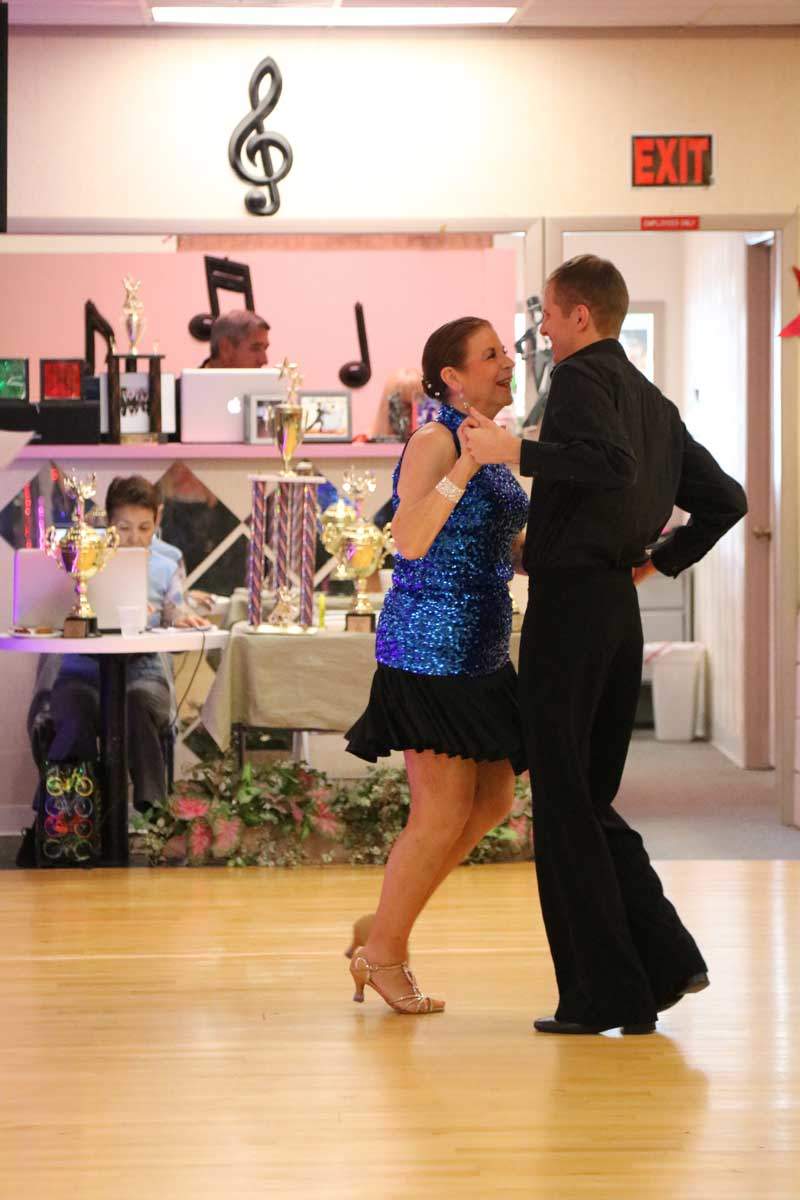
In ballroom dancing there’s a saying: “1 + 1 = 1.” It’s important that a couple be seen as dancing as one, rather than two people who just happen to be dancing together. More simply put, this is synchronization. The follower must allow themselves to be led, and the leader must give clear signals. Each person has a clear role to achieve the best outcome.
Learning to let your partner lead is not easy. It takes a lot of sensitivity, especially in a beginner’s class where the leader may not yet be giving clear signals (we’ll address that in Part II). Here are a few tips for the beginning follower:
Clear your mind. Try to avoid running a narrative in your head of everything you’re doing wrong. Instead, be open and receptive. Focus on the signals you perceive from your partner: body movements, the pressure on your hand or back, visual clues like the tilt of the head. Clearing your mind and reading your partner’s signals are the secrets to following. So relax and enjoy yourself.
Accept to let go. Trusting your partner means relinquishing control and waiting for the signals. If you’re used to dancing solo, learning to follow can be tough. When you go social dancing, you’ll dance with partners who haven’t learned the same routines as you. They may put the steps together in a completely different order. That’s why it’s important to get used to following right from the start, even when you know the routine.
Posture. Rely on yourself for balance rather than your partner. Dance is an art form, and we want to paint an attractive picture. Don’t be afraid to ask your instructor for guidance on improving your posture. You’ll be surprised at how grounded and confident you feel, because you won’t need to clutch your partner and risk pulling each other off balance.
Lightly hold the hand. It’s very difficult to lead when you squeeze your partner’s hand. The more you squeeze, the harder it is for the leader to lead you. Try completing a turn while squeezing. You’ll find it difficult. It’s not good for anyone, and besides, it hurts!
Anticipation is not your friend. Once you’ve practiced with the same partners for a while, you grow confident with a set of routines and are tempted to go on auto-pilot at the first familiar signal. Resist this urge. The leader may have intended a variation, or you may be dancing with someone whose lead is new to you. Even if your leader makes a mistake, go with the flow and don’t actively resist; resisting only causes confusion. Try to stay in the present moment. By the time you’ve anticipated the next moment, that moment is gone.
Dancing is art and conversation, but don’t forget the most important part: enjoy dancing! :-)
Read Part II next.
Dance Passion Team